Education
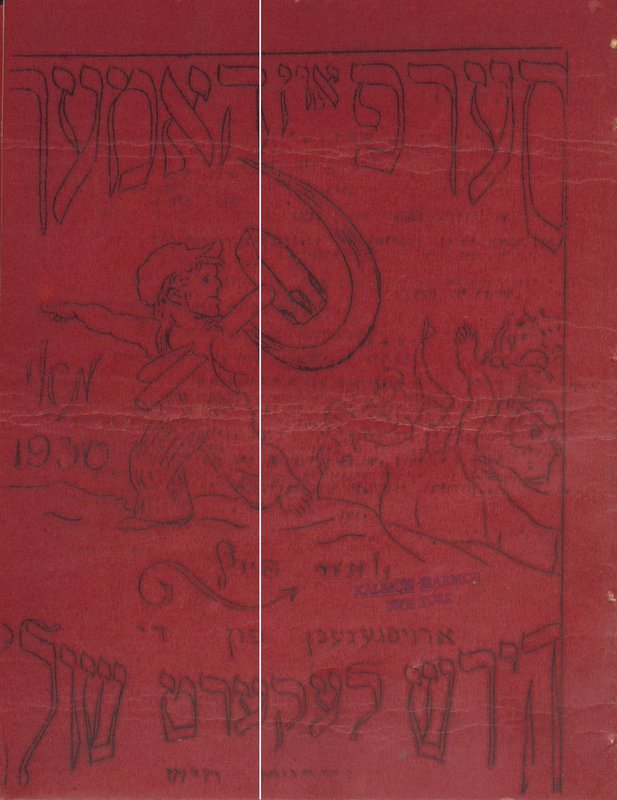
Leftist adult worker education was a priority for the IWO which provided linguistic, cultural, labor, political, musical, theatrical and broader resources: the IWO’s Jewish Section ran a Jewish Workers University and an affiliated theatre company in Yiddish. Other IWO sections were also focused on providing educational resources combined with recreation. The Jewish Section had a large publishing house that published Yiddish classics as well as modernist literature, children's books, and publications such as Yidishe Kultur [Yiddish Culture], and Yungvarg [Youth]. The first secular shule (Yiddish children’s after school) was founded by Dr. Chaim Zhitlowsky for Linke Poale Tsiyon (Left Workers of Zion) in 1910 in the Lower East Side. Zhitlowsky famously combined socialism with Jewish nationalism and was drawn into the IWO world in the 1930s; he died giving lectures on an IWO Canadian wartime fundraising tour. Some children’s magazines from early Arbeter Ring [Workmen’s (Workers) Circle] shules were kept in the IWO’s archives due to its historical overlap with that organization. Umparteishe (non-aligned) shules emerged in the mid-1920s typically joining an extensive IWO shule network that offered elementary school to advanced high school level classes. The earliest IWO shule magazines were radical and lively.
Ten Years of the Jewish Workers University
Notably the IWO published Fraternal Outlook in all its languages using English as its lingua franca to publish the song Strange Fruit about lynching as well as dental and chess columns. Sections, city groupings, and many lodges published newspapers and newsletters, and held lectures as well as published anti-fascist, anti-racist literature. IWO publications in English included New Order Magazine published by its Youth Section; youth from its various sections were introduced to each other through sports leagues, music and other activities. The IWO's work in Chicago included the Abraham Lincoln School and its own Du Sable community center to promote the education and unionization of Black workers as well as community activities.



Dr. Chaim Zhitlowsky Yiddish double bill poster in Boyle Heights, Los Angeles. January 1st, 1942, New Year's Chanukah (Khanike, Hanukkah) themed Childrens' Concert accompanied by a lecture
Los Angeles Yiddish poster of Dr. Chaim Zhitlowsky for a New Year's talk and childrens' concert in Boyle Heights at 2706 Brooklyn Avenue, on Thursday, January 1st, New Years 1942, 2:30pm. The poster graphic features a large picture of Dr. Zhitlowsky with a program that features Sholem Aleichem's Freylekhe Kabtsonim, a Kinder Choir, Chanukah (Khanike, Hanukkah) numbers, and Dr. Zhitlowsky who will appear as a speaker. Boyle Heights was a very active area for the Jewish American Section of the IWO (JPFO). The concert and talk are prior to Dr. Zhitlowsky embarking on a 1943 fund-raising tour for the War effort in Canada where he passed away on tour.

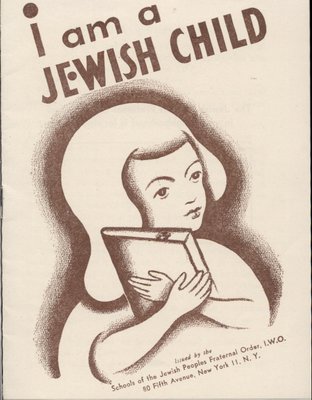


About 10,000 pages of documents from the Kheel Center’s collection of International Workers’ Order records have been digitized. You can find more of these documents here along with the full version of documents provided here.